





- Green versionView
- Green versionView
- Green versionView
- Green versionView
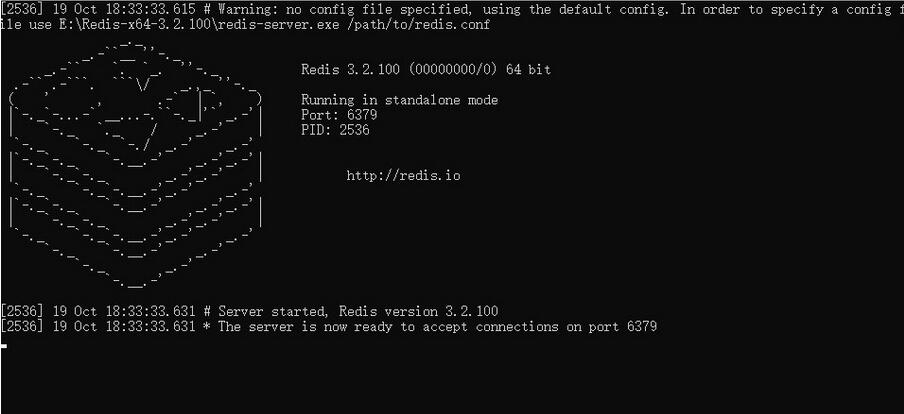
Redis software introduction
Redis is an open source (BSD licensed), in-memory data structure server that can be used as a database, cache, and message queue broker. It supports strings, hash tables, lists, sets, ordered sets, bitmaps, hyperloglogs and other data types. Built-in replication, Lua scripts, LRU eviction, transactions and different levels of disk persistence functions, while using Redis Sentinel provides high availability and automatic partitioning through Redis Cluster.
Redis software features
Redis Desktop Manager (alias RDM) - It is a fast open source Redis database authorization software for Windows, Linux and MacOS. This tool gives you an easy-to-use GUI to browse your Redis database and perform some operations: treat keys as trees, CRUD keys, run commands through the shell. RDM for SSL / TLS encryption, SSH tunneling, TLS over SSH tunneling (AWS with In-Transit encryption ElastiCache) and cloud Redis cases, such as: Amazon ElastiCache, Microsoft Azure Redis Cache and Redis Labs.
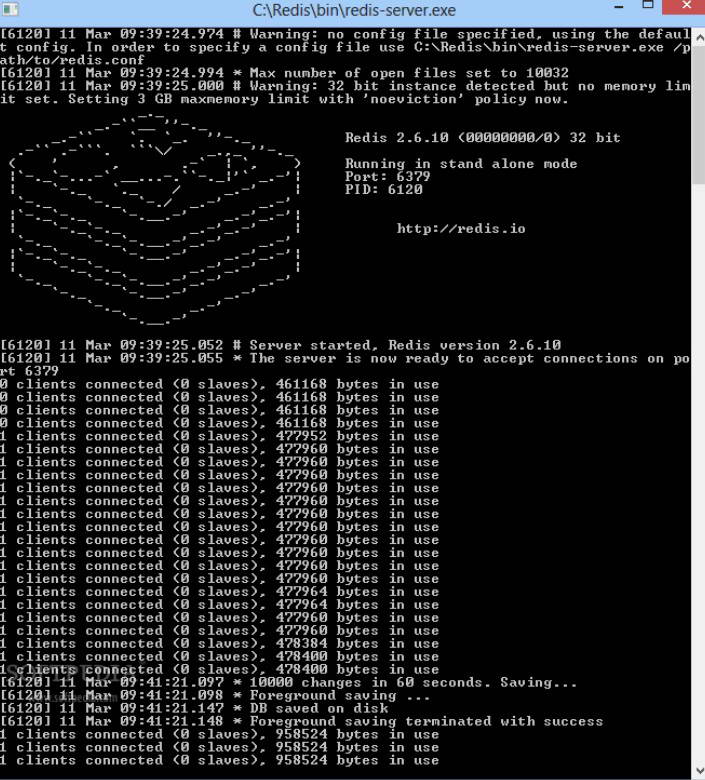
Redis software features
Redis uses two file formats: full data and incremental requests.
The full data format is to write the data in the memory to the disk so that the file can be read and loaded next time;
Incremental request file serializes the data in the memory into an operation request, which is used to read the file and replay to obtain the data. The serialization operations include SET, RPUSH, SADD, and ZADD.
The storage of redis is divided into three parts: memory storage, disk storage and log file. There are three parameters in the configuration file to configure it.
Save seconds updates, save configuration, indicates how long and how many update operations there are to synchronize the data to the data file. This can be combined with multiple conditions. For example, the settings in the default configuration file set three conditions.
appendonly yes/no , appendonly configuration, indicates whether to perform logging after each update operation. If not enabled, data may be lost for a period of time during a power outage. Because redis's own synchronized data files are synchronized according to the above save conditions, some data will only exist in memory for a period of time.
appendfsync no/always/everysec , appendfsync configuration, no means waiting for the operating system to synchronize the data cache to the disk, always means manually calling fsync() to write the data to the disk after each update operation, and everysec means synchronizing once per second.
Redis update log
1. The pace of optimization never stops
2. More little surprises are waiting for you to discover~
Huajun editor recommends:
Redis is so easy to use. It is one of the best software in the database category. I believe friends who have used it will say it is easy to use. If you don’t like it, we still have it.Data Loader,SQLyog,access tools,DBF Commander,DBeaver













Useful
Useful
Useful